double v · marseille
DE L’AUTRE CÔTÉ DU MIROIR
MATY BIAYENDA · CAMILLE CHASTANG · ALICE GUITTARD · RENSKE LINDERS · MANOELA MEDEIROS · PACE TAYLOR
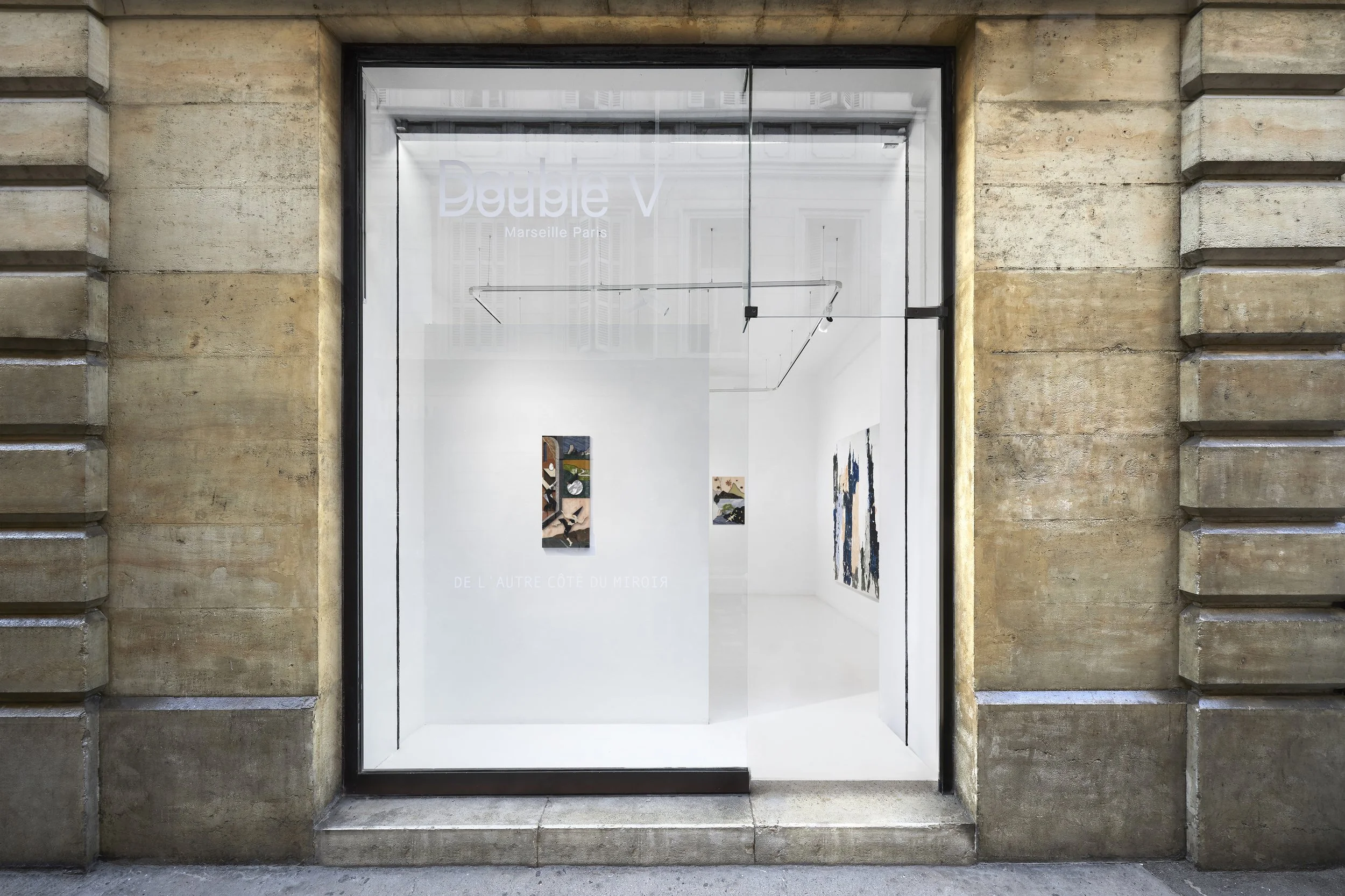
La galerie est heureuse de présenter l’exposition collective “De l’autre côté du miroir”.
Vernissage Jeudi 2 juillet · 18h-21h
Du 3 juillet au 24 octobre 2026
⚐ 28 rue Saint-Jacques, Marseille 6e arrondissement
_______________________
The gallery is pleased to present the group exhibition “De l’autre côté du miroir”.
Opening reception Thursday, July 2, 2026 · 6–9 PM
Exhibition dates: July 3 to October 24, 2026
⚐ 28 rue Saint-Jacques, Marseille 6st district

DE L'AUTRE CÔTÉ DU MIROIЯ
Le miroir fascine : il reproduit le monde et le transforme. À travers son reflet, on se reconnaît. On se redécouvre. Comme dans le roman de Lewis Carroll, le miroir devient un passage vers un monde où les certitudes s’effacent. Il ouvre un espace où l’identité se trouble et de nouveaux récits deviennent possibles.
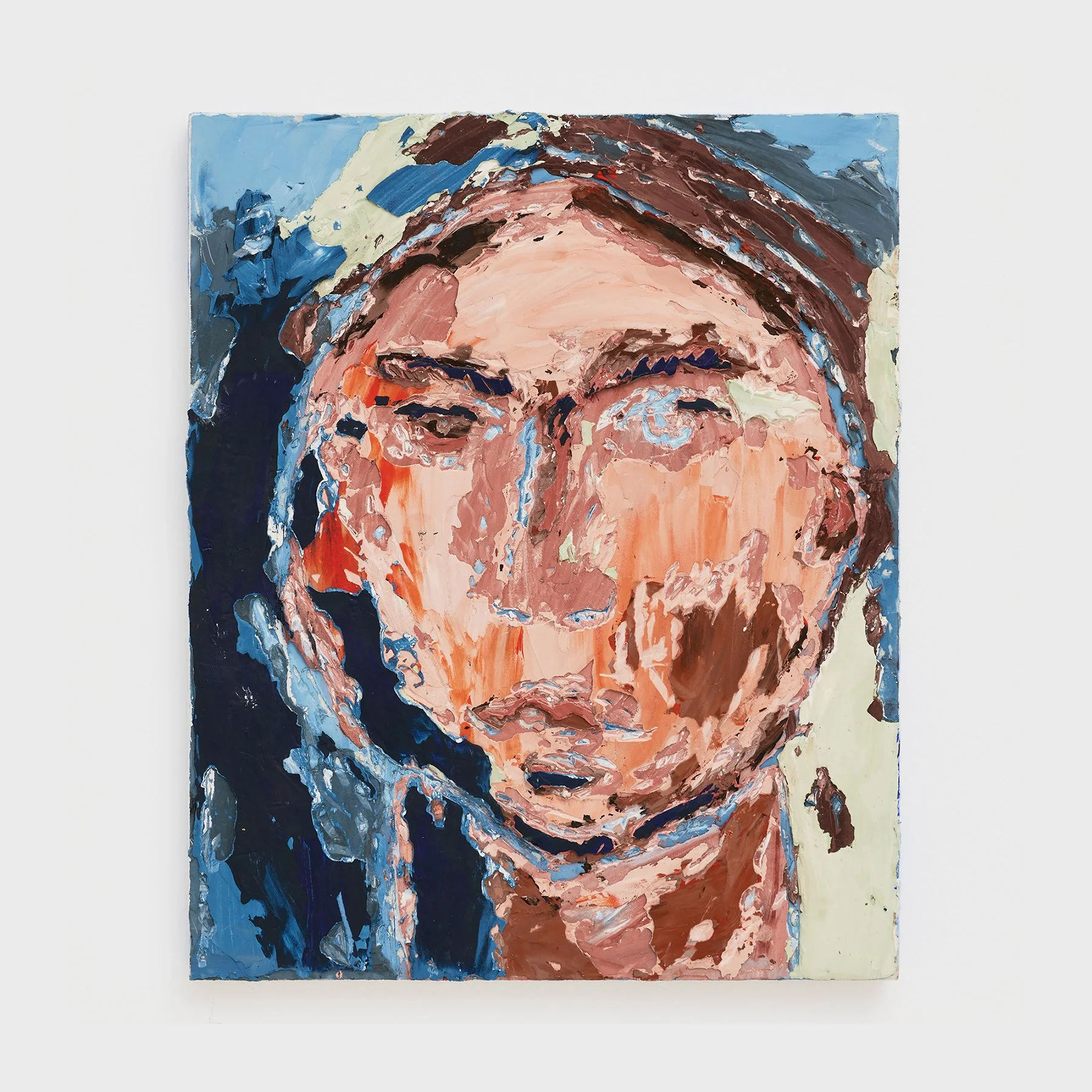
« De l’autre côté du miroir » réunit le travail de Maty Biayenda, Camille Chastang, Alice Guittard, Renske Linders, Manoela Medeiros et Pace Taylor. L’exposition explore des interstices, où projections intimes et récits universels se rencontrent.
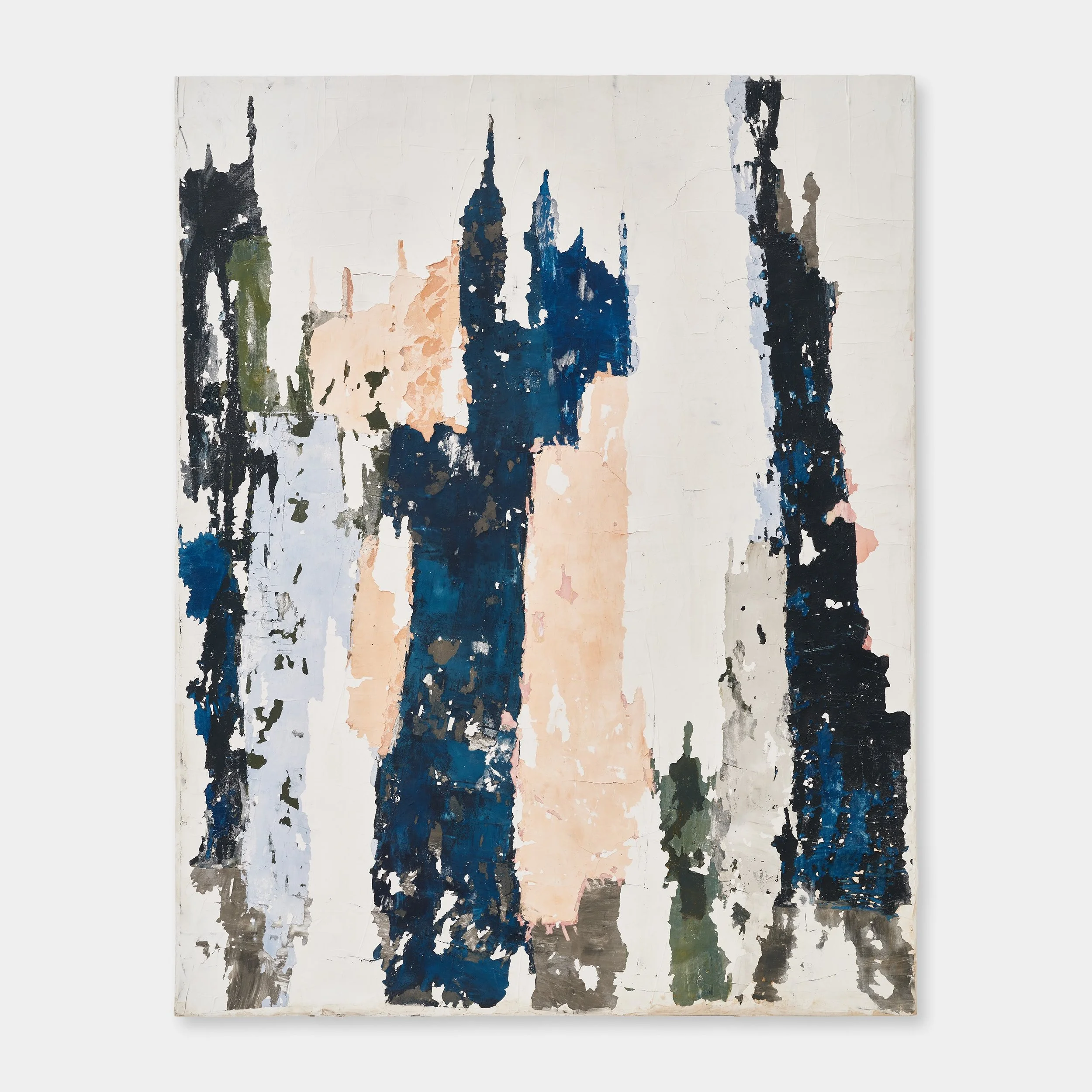
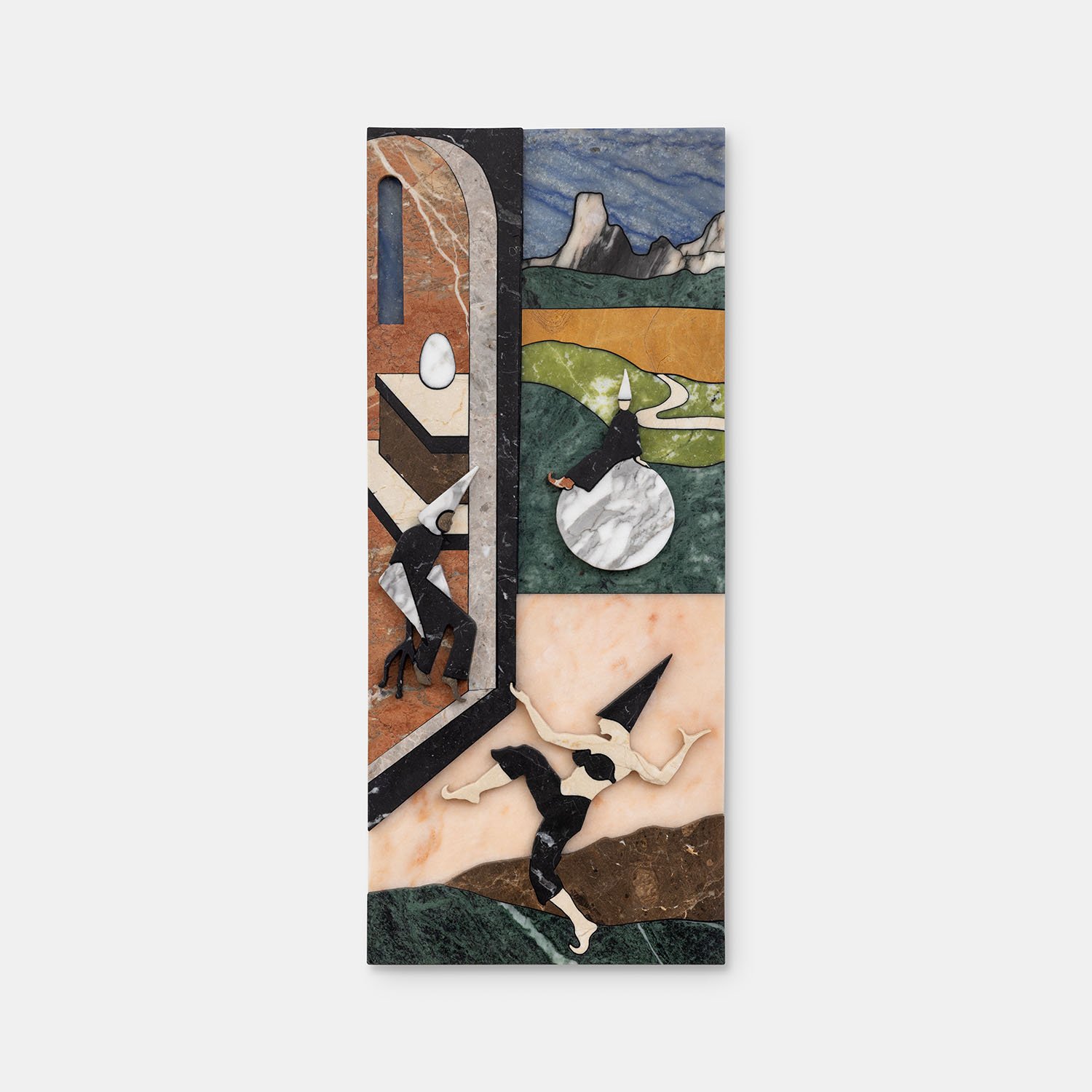
Depuis le Carré noir sur fond blanc de Malevitch, l’abstraction est souvent envisagée comme un seuil ouvrant sur une quatrième dimension. Cette possibilité affleure dans la Grande Ruine de Manoela Medeiros, dont les excavations oscillent entre architecture et mémoire.
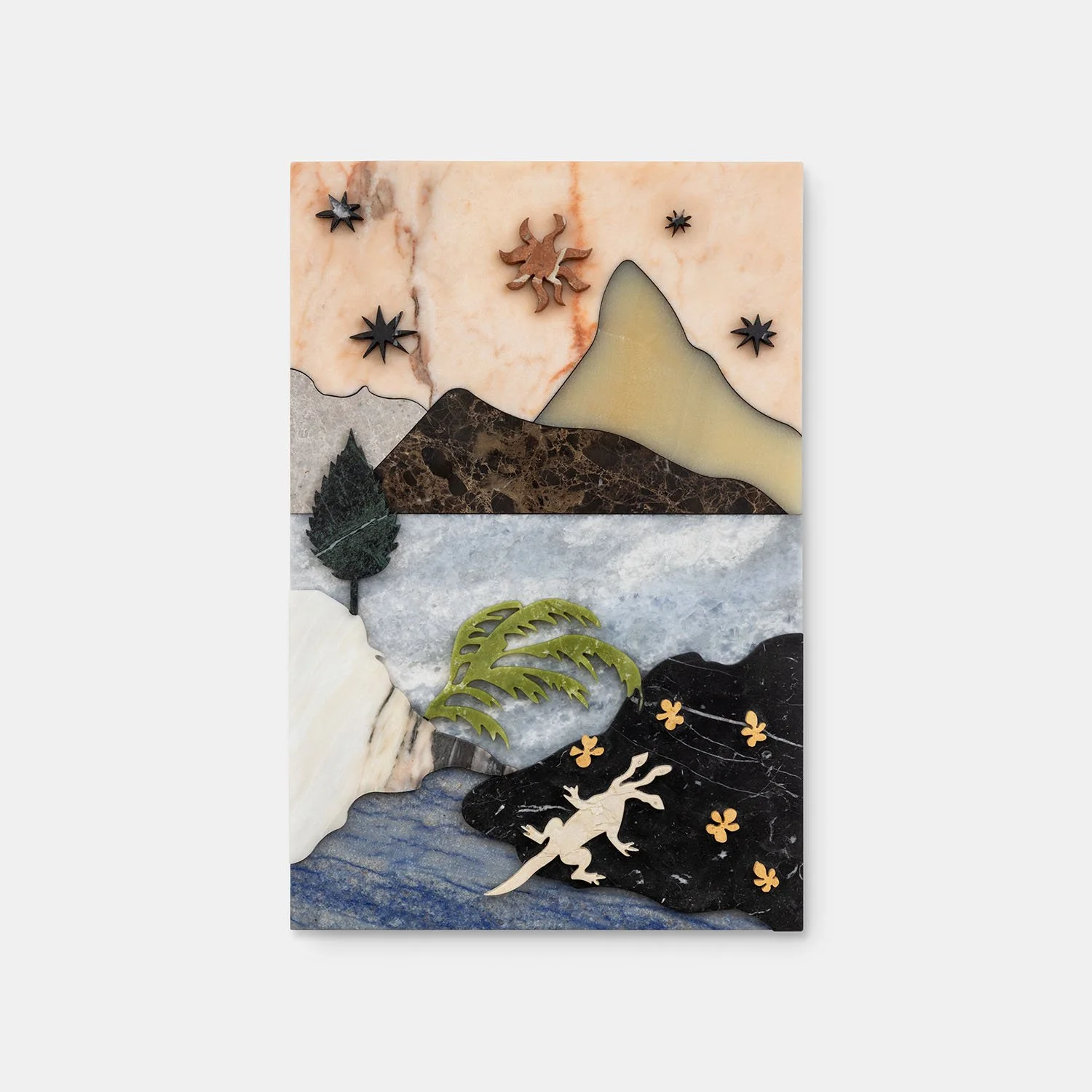
Elle trouve un écho dans Un été grec d’Alice Guittard, où deux mains émergent à la surface d’une eau réfléchissante. Inspirée du dieu fleuve Méandre, l’œuvre évoque également les bouleversements liés au réchauffement climatique et la fragilité des équilibres naturels. Chez les deux artistes, les repères habituels vacillent et le paysage devient un espace mental traversé de souvenirs.
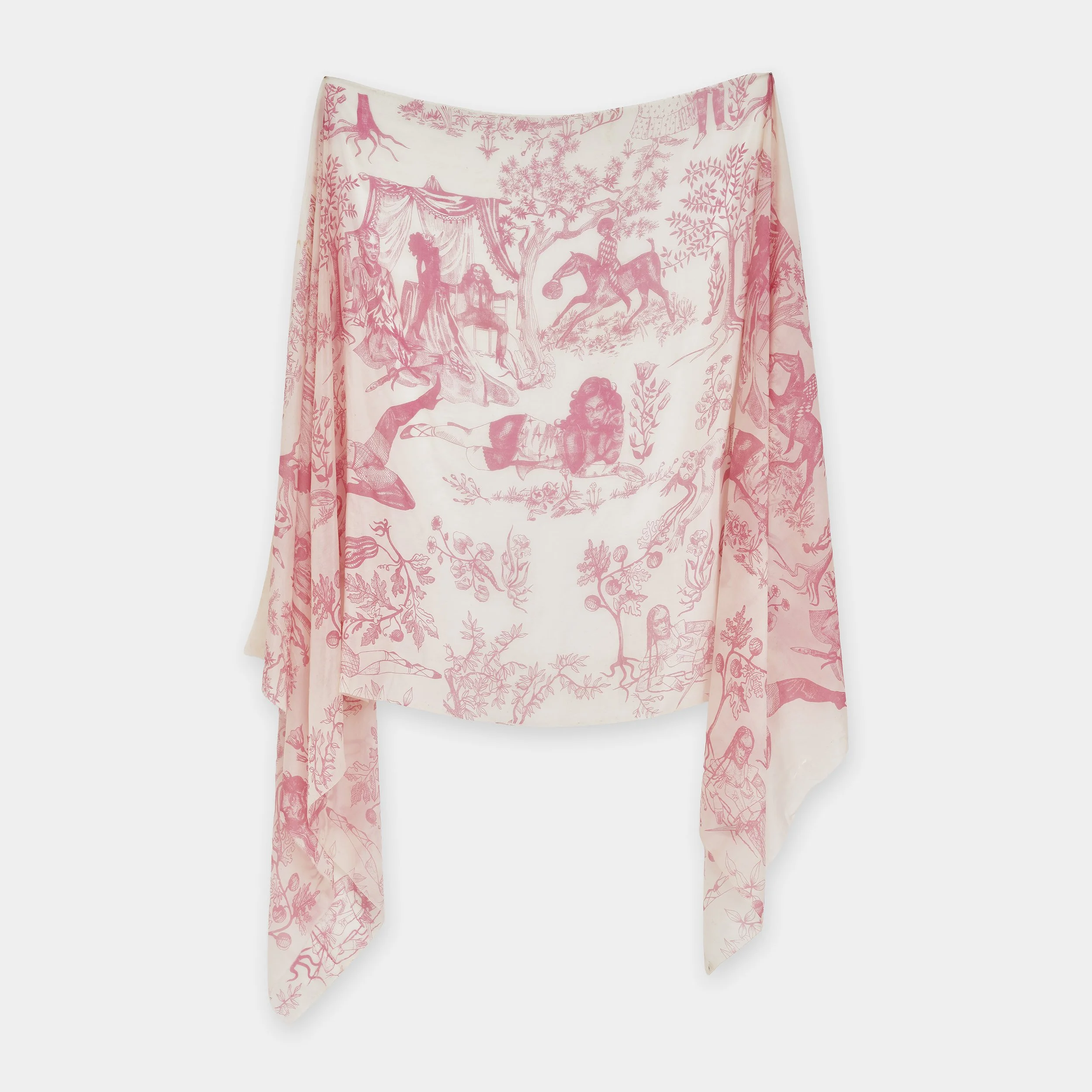
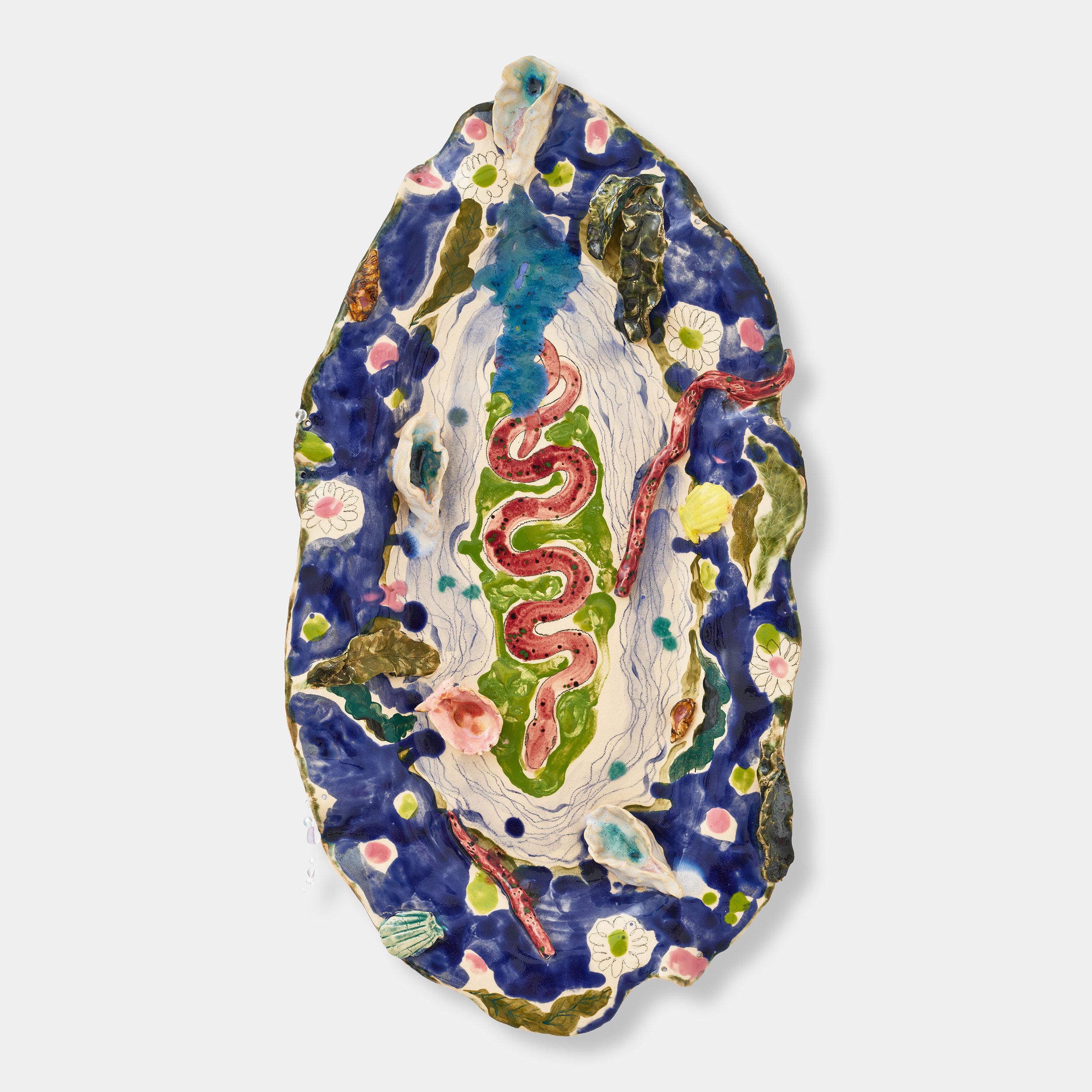
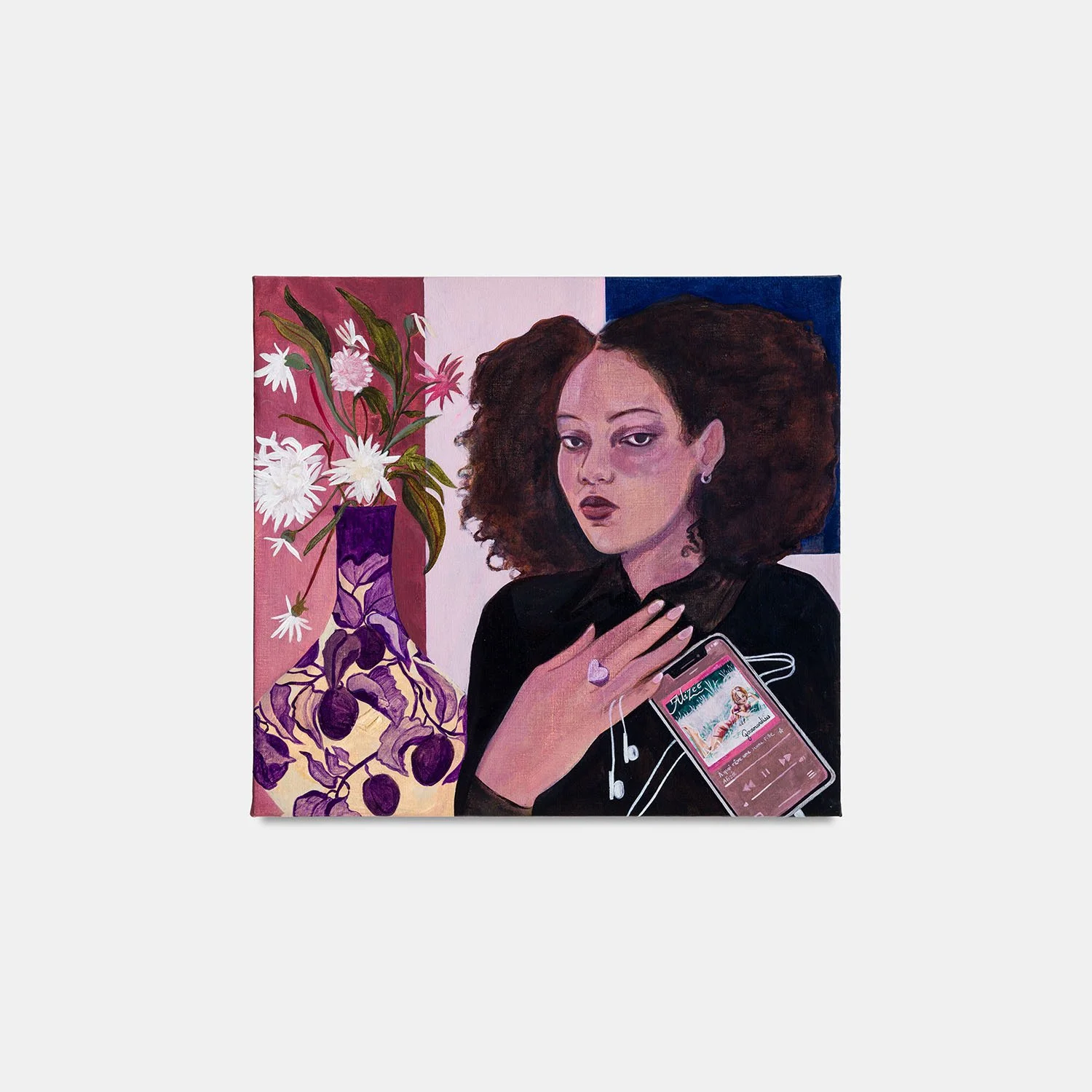
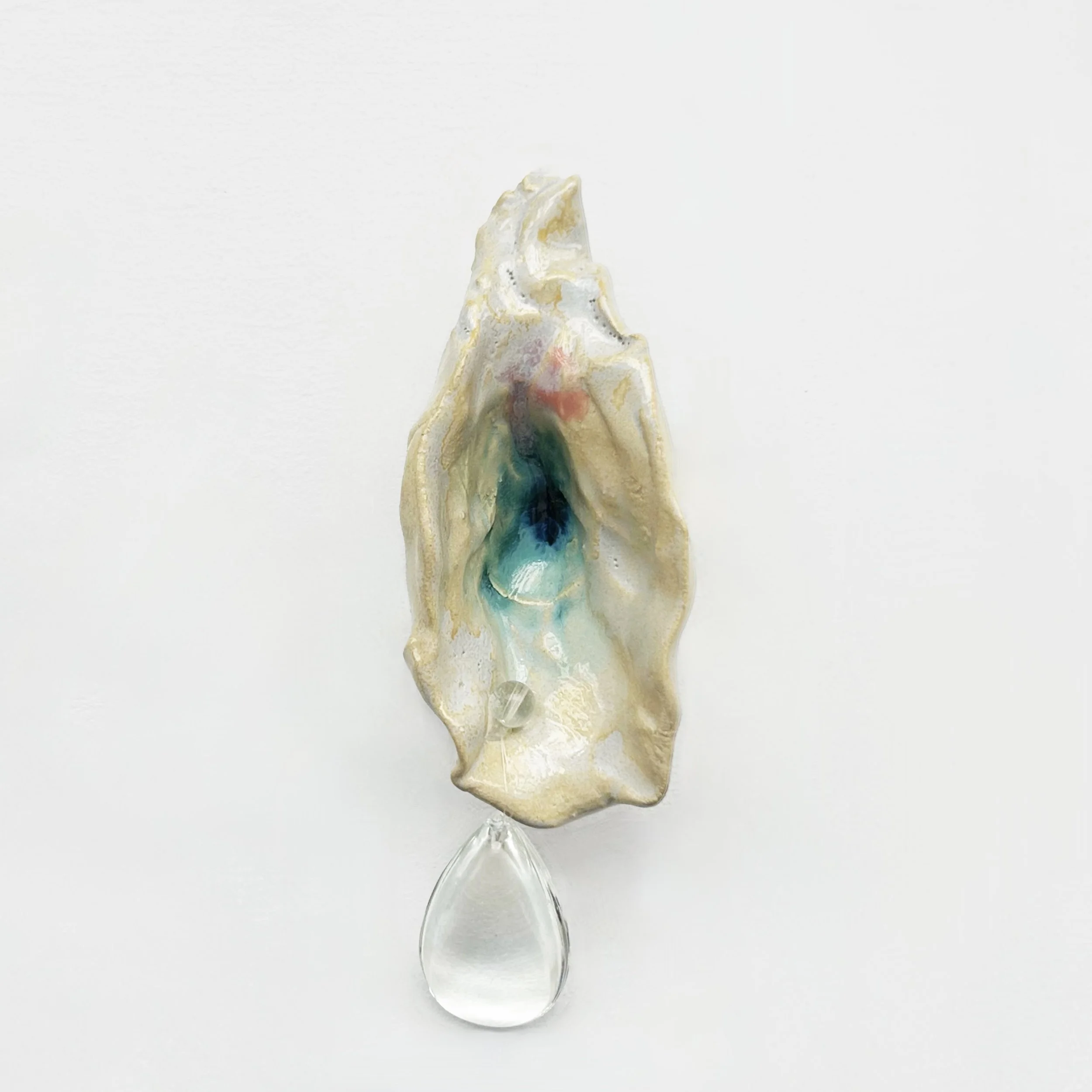
La rencontre de plusieurs réalités traverse également les œuvres de Maty Biayenda. Mémoire familiale, histoire afro-descendante, culture queer… Entre archive et fiction, ses personnages composent une communauté où les identités se construisent dans la transmission et la réinvention des héritages. Les récits se prolonge chez Camille Chastang, dont les portraits, les fleurs, ou les huîtres forment un langage symbolique, où les images permettent d’exprimer ce qui ne pouvait être nommé.
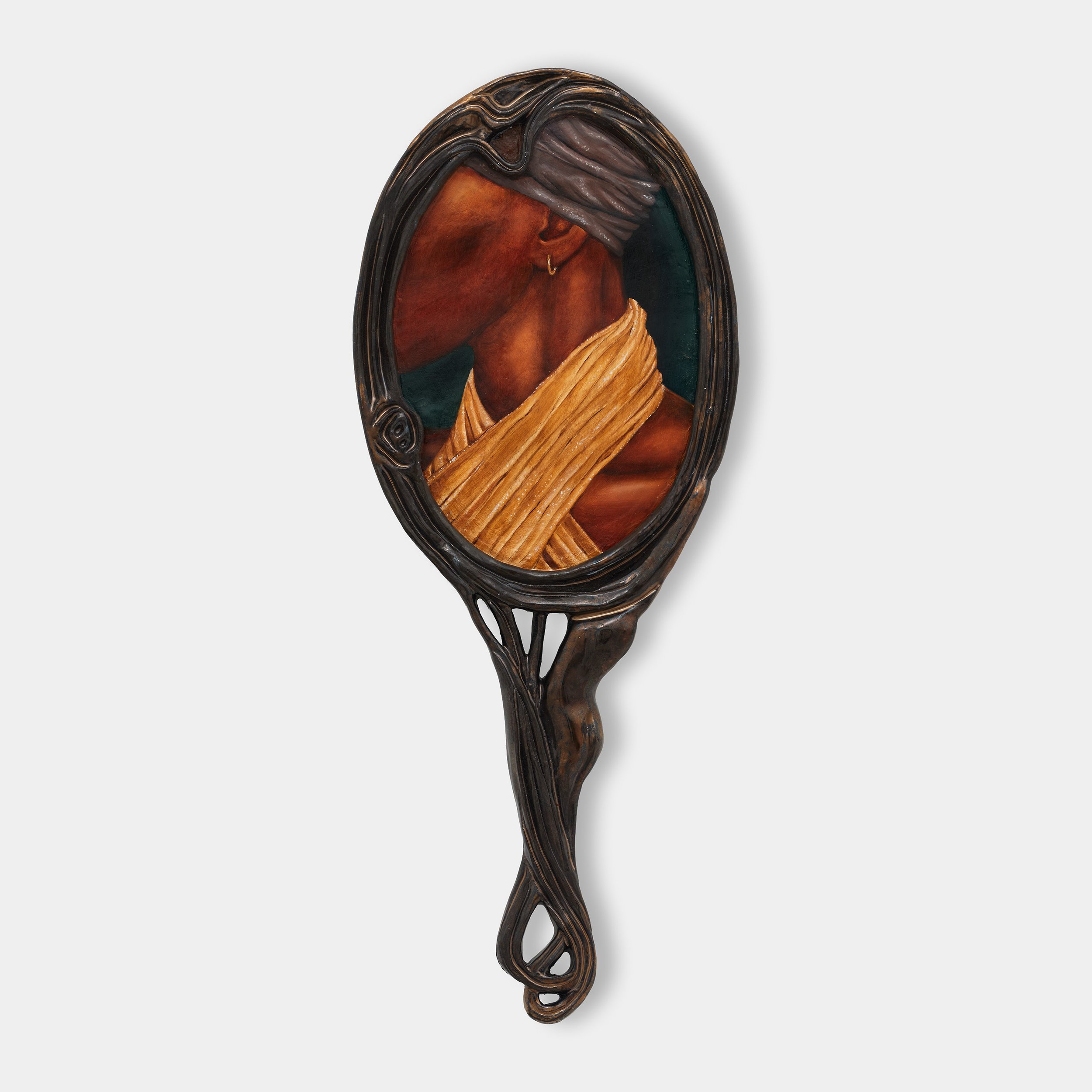
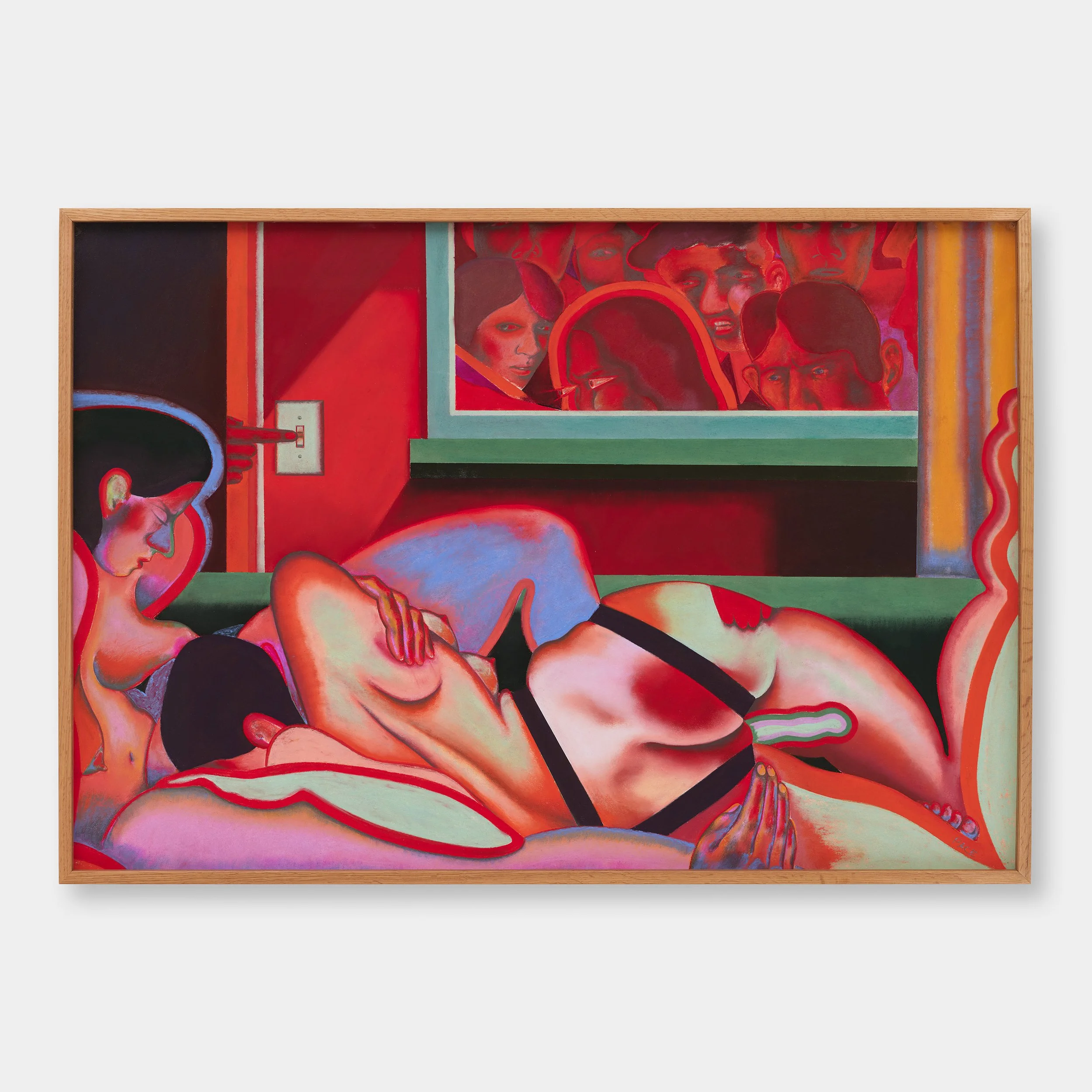
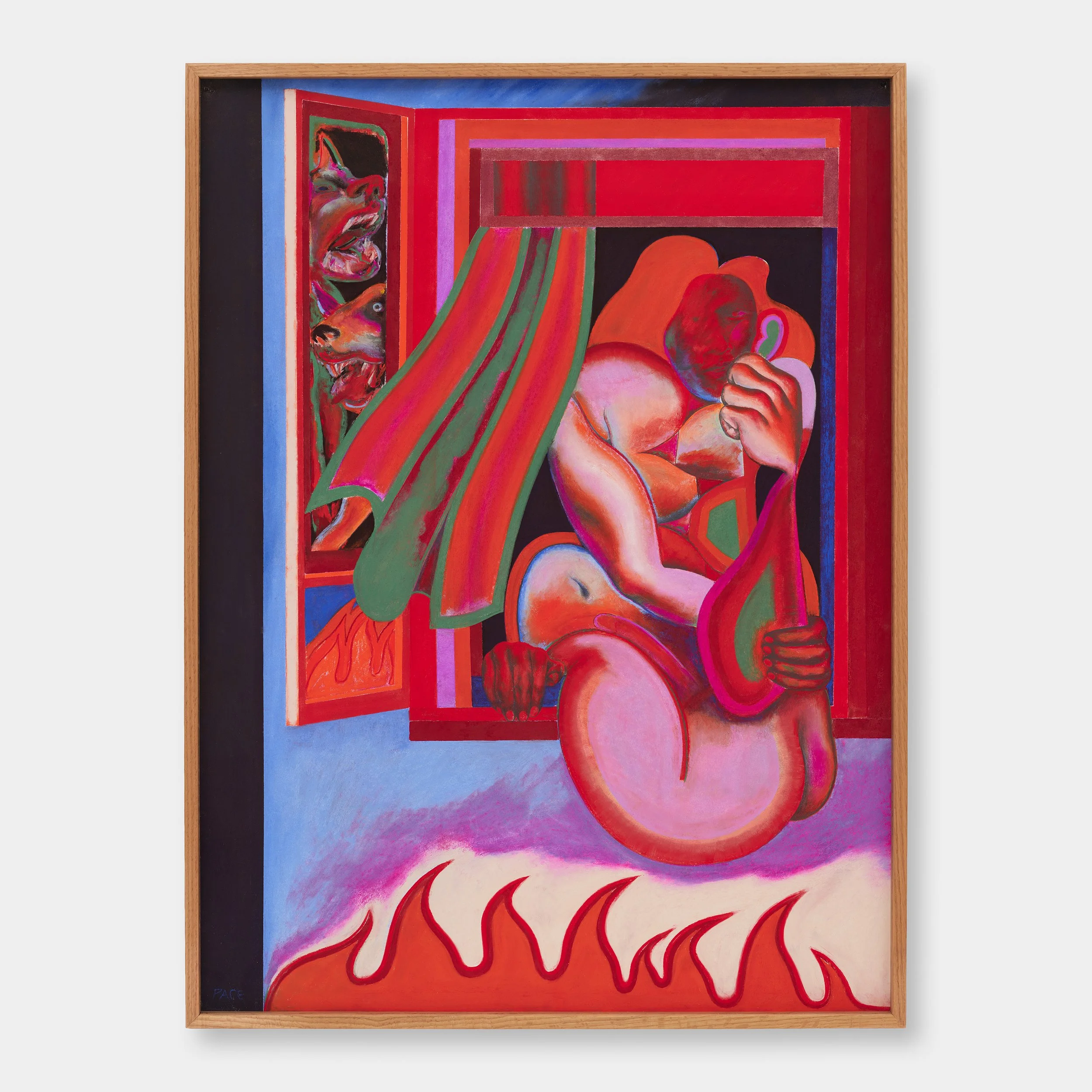
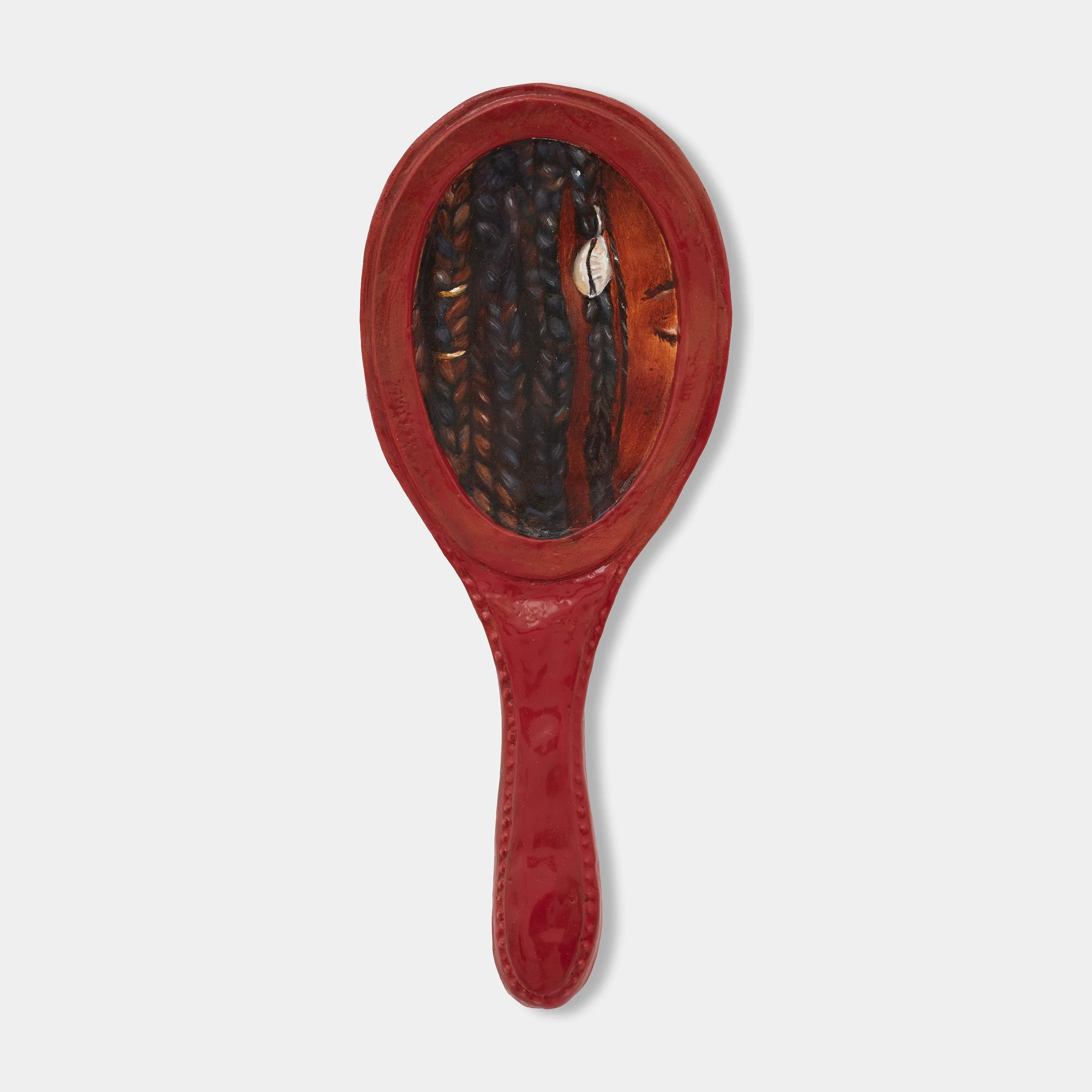
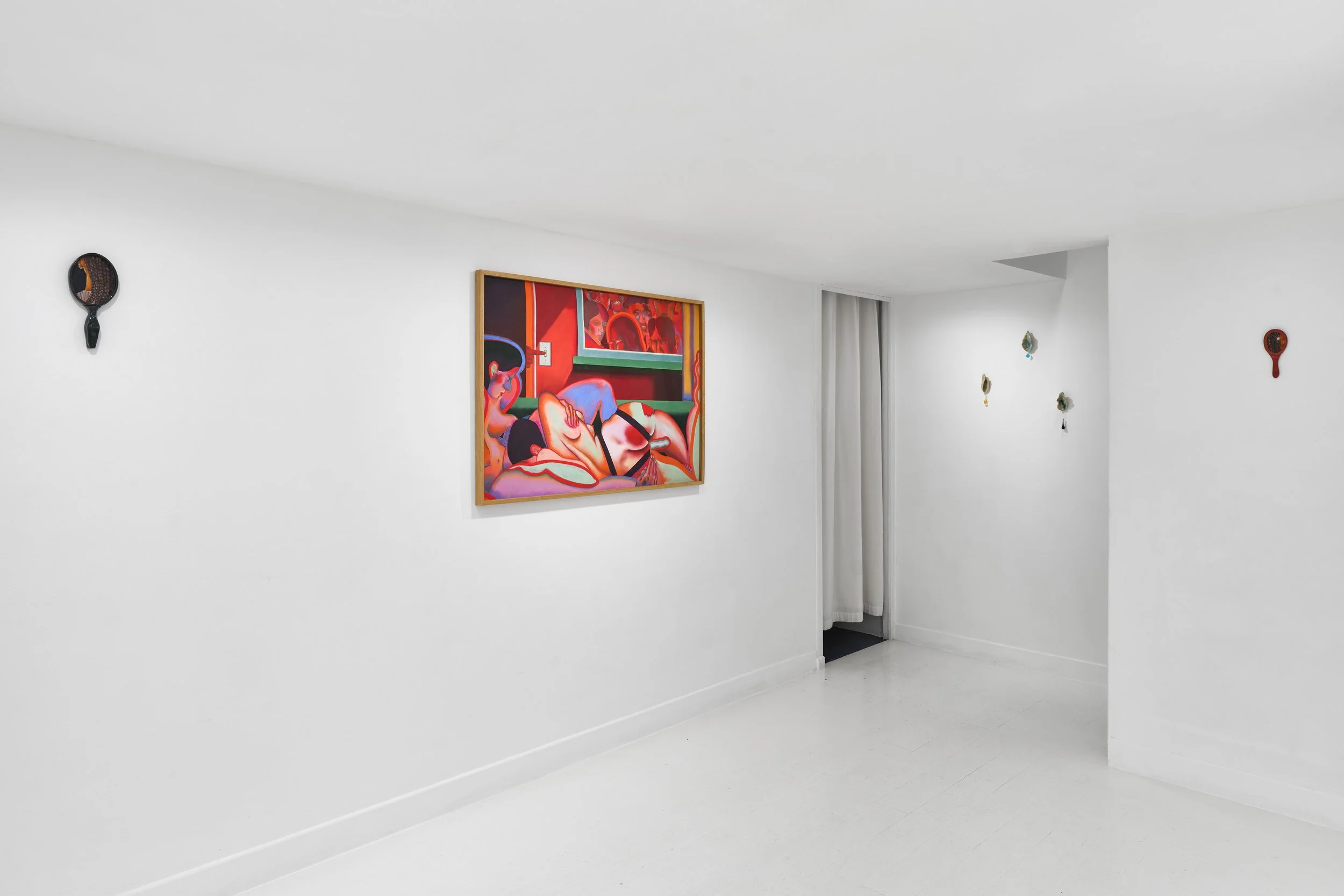
Enfin, le regard est déterminant dans les œuvres de Renske Linders et de Pace Taylor. Les peintures de Linders, réalisées sur céramique en forme de miroir, remplacent le reflet attendu du spectateur par des fragments de corps féminins. Le miroir cesse d’être un instrument d’auto-contemplation pour devenir une rencontre avec l’altérité. Chez Pace Taylor, cette rencontre est plus fragile. Dans Scylla Dreaming (Mad Dogs), la figure mythologique de Scylla incarne un corps en transformation, traversé par des tensions contradictoires, entre vulnérabilité et affirmation. Le reflet n’y est jamais stable ; il accompagne les métamorphoses qui rythment nos existences.
À travers les approches de ces six artistes, cette exposition propose de franchir un seuil. Un chemin vers l’intime, le mystère et la quête de soi. De l’autre côté du miroir, et ce que vous y trouverez…
·
THROUGH THE LOOKING GLASS
The mirror fascinates: it reproduces the world while transforming it. Through its reflection, we recognize ourselves. We rediscover ourselves. As in Lewis Carroll's novel, the mirror becomes a passage into a world where certainties dissolve. It opens a space in which identity blurs and new narratives become possible.
"Through the Looking-Glass" brings together the work of Maty Biayenda, Camille Chastang, Alice Guittard, Renske Linders, Manoela Medeiros and Pace Taylor. The exhibition explores in-between spaces, where intimate projections and universal narratives converge.
Since Malevich's Black Square, abstraction has often been understood as a threshold opening onto a fourth dimension. This possibility emerges in Manoela Medeiros's Grande Ruine, whose excavated forms oscillate between architecture and memory.
It finds an echo in Alice Guittard's Un été grec, where two hands emerge from the surface of reflective water. Inspired by the river god Meander, the work also evokes the upheavals brought about by climate change and the fragility of natural balances. In both artists' practices, familiar points of reference begin to shift, and the landscape becomes a mental space shaped by memory.
The encounter between multiple realities also runs through Maty Biayenda's work. Family memory, Afro-descendant history, queer culture... Between archive and fiction, her figures form a community in which identities are shaped through the transmission and reinvention of inherited stories. These narratives continue in Camille Chastang's work, where portraits, flowers and oysters form a symbolic language, allowing images to express what could not otherwise be spoken.
Finally, the act of looking is central to the works of Renske Linders and Pace Taylor. Linders's paintings, created on mirror-shaped ceramic surfaces, replace the viewer's expected reflection with fragments of female bodies. The mirror ceases to be an instrument of self-contemplation and becomes instead an encounter with otherness. In Pace Taylor's Scylla Dreaming (Mad Dogs), that encounter is more fragile. The mythological figure of Scylla embodies a body in transformation, caught between vulnerability and affirmation. Reflection is never fixed; it accompanies the metamorphoses that shape our lives.
Through the work of these six artists, the exhibition invites visitors to cross a threshold. A journey toward intimacy, mystery and the search for self. To the other side of the mirror... and whatever you may find there.